Let There Be Light: Placing Houseplants with Precision

How Light Moves Through Rooms
Measuring Brightness the Right Way
Lux and Foot-Candles Explained
PPFD for Edibles and Bloomers
Calibrating a Phone Light Meter
Room Grid and Sampling Times
From Readings to Color Heatmaps
Matching Plants to the Right Spots
Low-Light Survivors and Realistic Expectations
Snake plants, ZZ plants, and pothos tolerate lower light, but tolerance is not thriving. In very dim zones, expect slower growth, reduced variegation, and longer intervals between new leaves. Boost success by ensuring reflective surroundings, rotating plants toward scarce windows, and avoiding overwatering in cooler corners. If you crave faster progress, consider nearby brighter-indirect zones identified on your map or use subtle reflective aids to nudge levels upward without harsh glare.
Bright-Indirect Favorites and Leaf Health
Monstera, philodendron, hoya, and many ferns revel in bright-indirect conditions where light is abundant yet diffused. Watch for even internodes, firm petioles, and steady new growth as signs you nailed placement. Guard against sudden midday spikes that crisp tips, especially near pale walls. Sheer curtains, distance tweaks, and gentle rotations keep the balance perfect. These adjustments, guided by your mapping, maintain lushness while minimizing stress and unnecessary watering interventions.
Sun-Hungry Herbs, Succulents, and Flowering Divas
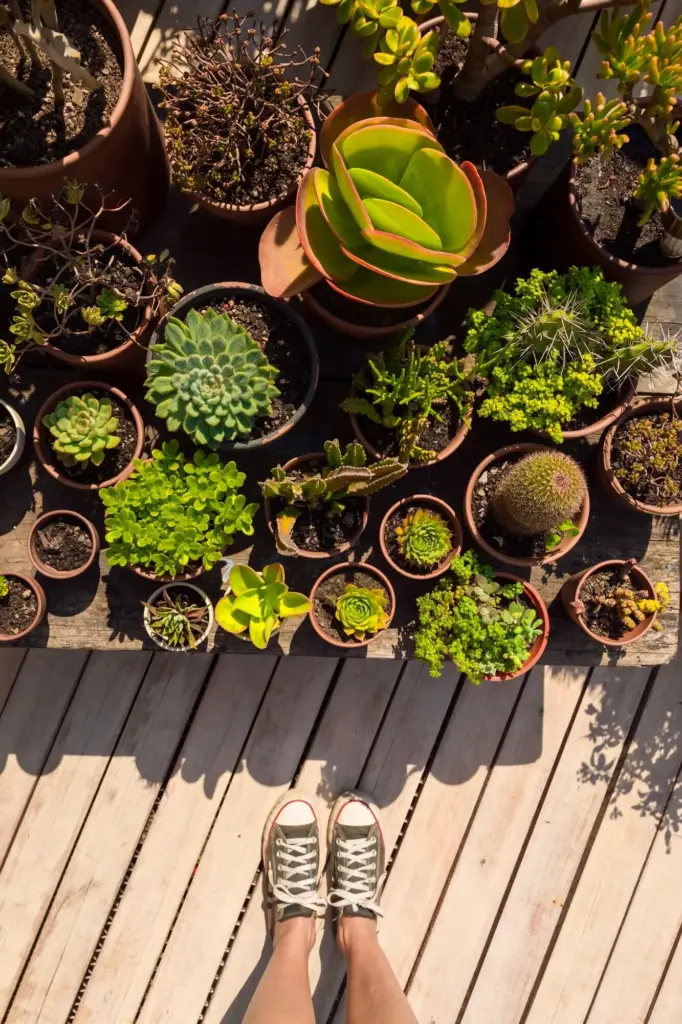
Basil, rosemary, compact peppers, geraniums, and most succulents demand high energy. Place them in mapped hotspots with morning or full-day sun, then test leaf temperature and watch for bleaching. If windows underdeliver, supplement responsibly with targeted grow lights calibrated to your heatmap zones. The reward is tight growth, concentrated aromas, sturdier stems, and reliable blooms. Document results to refine positions, ensuring every culinary harvest and floral display remains satisfyingly repeatable.
Fine-Tuning with Reflectors and Sheers

Maintenance: Recheck, Rotate, Record
A Simple Logging System That Actually Sticks
Use a single page per room: include date, time, weather, readings, and quick plant observations. Snap photos from the same angles to document posture and color. Short notes beat elaborate plans you will abandon. Over months, patterns emerge clearly, making micro-adjustments easy. Share templates with friends or in comments to trade tricks that reduce effort while improving results across apartments, studios, and family homes with wonderfully different light personalities.
Diagnosing Light Problems from Leaf Signals
Leggy stems, wide internodes, and pale new leaves often signal insufficient light, while crisp margins, bleached patches, and drooping midday leaves hint at excess. Before changing fertilizer or soil, check your map and recent readings. Move plants within their zone or adjust diffusion tools, then observe for two weeks. Gentle, data-informed tweaks typically resolve issues faster, protecting roots and preserving momentum without the confusion of unnecessary, overlapping interventions.
Seasonal Audits and Micro-Moves That Matter
Quarterly audits catch slow drifts as sun angles change. Shift a pot a hand’s width, raise a shelf by a few centimeters, or nudge a reflector to recapture lost brightness. These tiny moves often deliver big growth dividends. Compare notes year to year to anticipate transitions before leaves react. Invite readers to submit before-and-after photos; shared insights and small experiments deepen confidence, making every placement more resilient through shifting seasons and routines.
All Rights Reserved.