Lightwise Houseplant Care for Every Window
Today we explore caring for houseplants by compass exposure—north-, south-, east-, and west-facing areas—so you can treat each windowsill like a living laboratory. We will decode light intensity, duration, and seasonal angles, then match species, watering, soil, and placement to build resilient routines. Expect practical tips, small experiments, and friendly encouragement designed to help every room grow greener without guesswork.
Reading the Sun: Intensity, Duration, and Angle by Direction
Understanding how the sun moves empowers better choices than any generic care label. North-facing spaces offer cool, steady brightness with minimal direct rays. South-facing windows deliver long, intense light arcs. East windows wake plants gently with soft morning beams, while west exposures bring sharp, hot afternoons. Add reflections from pale walls, nearby buildings, and trees, and you have unique micro-light recipes worth observing before moving a single pot.

Pairing Plants with the Right Window
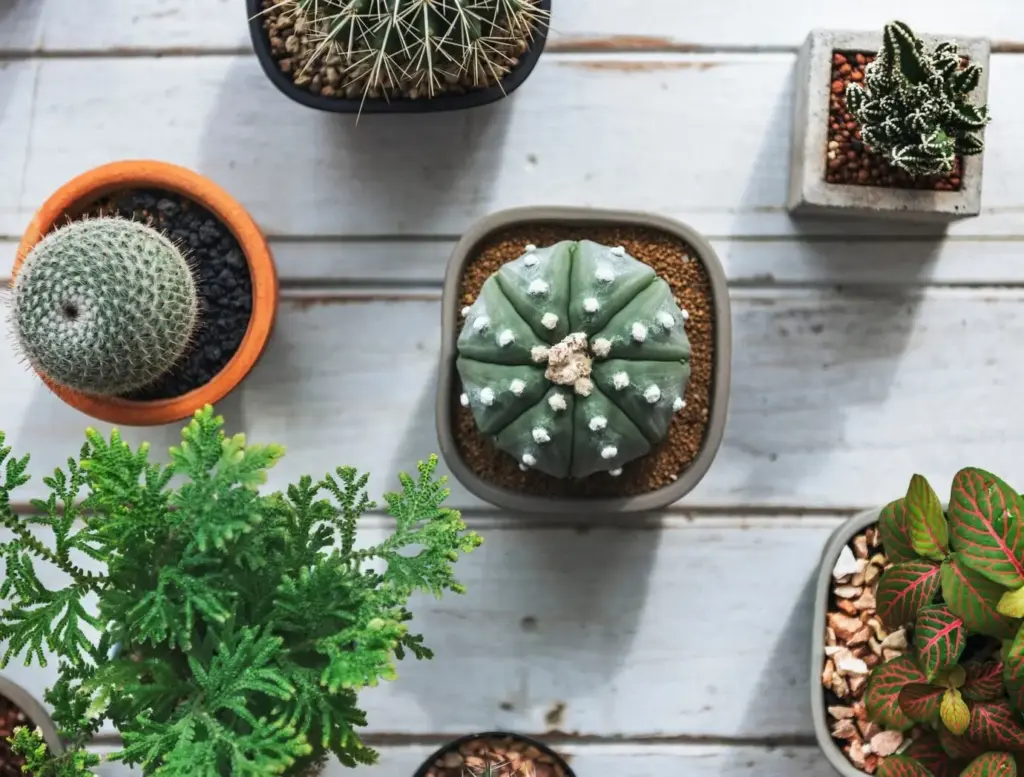
Matching species to light is like fitting shoes to a journey: comfort dictates confidence. Choose low-light champions—ZZ, pothos, philodendron, ferns—for north rooms where consistency beats intensity. Reserve south bays for cacti, aloes, jades, rosemary, hibiscus, and other sun seekers. Let east windows flatter African violets, peperomias, and begonias, while west sills highlight crotons, rubber plants, and hoyas guided by careful heat management and gradual acclimation.
Calm Matches for North Windows
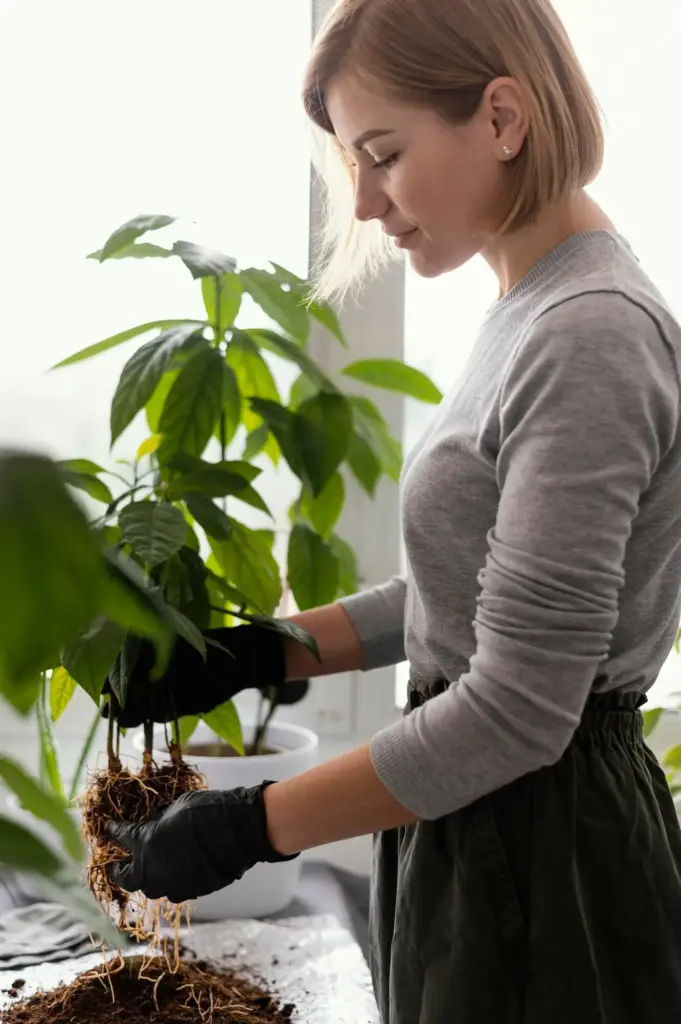
Consider ZZ plants, heartleaf philodendrons, snake plants, and certain ferns that thrive on reliability rather than blaze. They relish indirect brightness and stable temperatures, keeping leaves glossy with measured watering and occasional cleaning. If growth slows dramatically, increase proximity to the glass or add a reflective surface. Celebrate new leaves as confirmation that your environment supports steady metabolism rather than chasing dramatic, stress-prone spurts.
Sun Lovers for South Sills
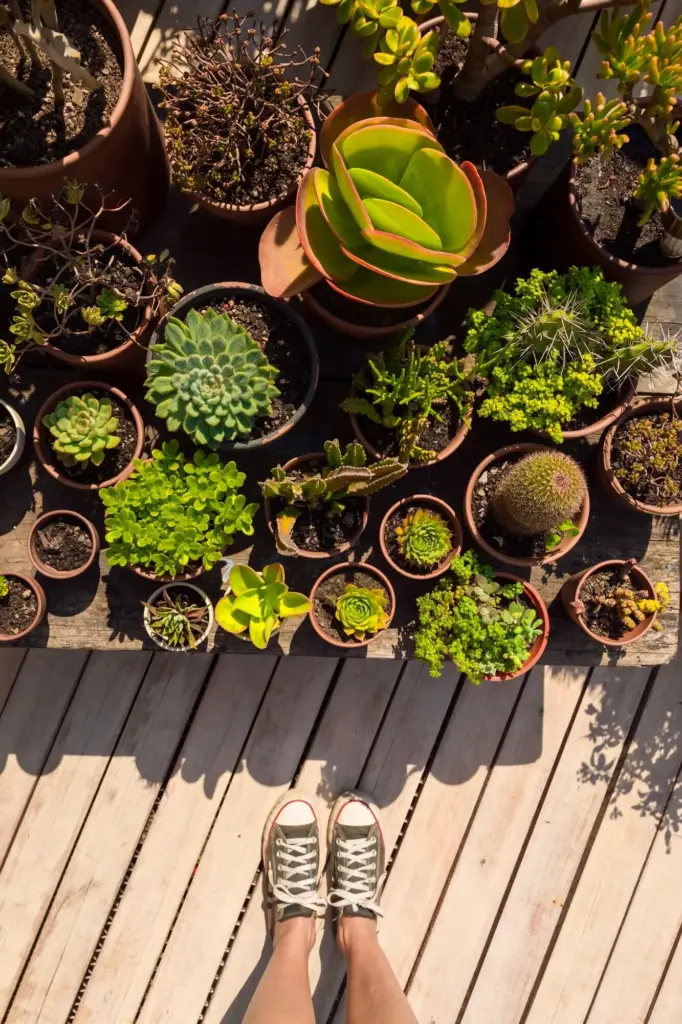
South-facing warmth suits cacti, euphorbia, jade, hoya lineages, rosemary, and flowering beauties like hibiscus or bougainvillea when humidity and airflow cooperate. Start at a modest distance from the pane, gradually inch closer over weeks. Watch for pale patches signaling overexposure, and respond with sheers or light diffusion. Provide airy, mineral-heavy mixes and water deeply but less frequently, allowing full drainage to reward roots with oxygen and strength.
Seasons, Weather, and the Moving Sun
Day length, cloud cover, and latitude change your home’s light dramatically. Winter compresses angles and trims intensity, making west glare gentler and north rooms dimmer. Summer stretches brightness and heat, magnifying south power and turning unshaded west glass into a griddle. Track weekly changes with photos or a notebook, then make small moves—distance tweaks, curtain pulls, shelf shifts—that collectively protect leaves and sustain momentum all year.

Winter Strategies for Dim Rooms
Short days narrow photosynthetic windows, so bring plants closer to bright panes without pressing foliage against cold glass. Clean windows, dust leaves, and reduce watering because roots drink slowly in cool conditions. If buds stall, consider a modest grow-light supplement on a timer. Prioritize stability over speed: consistent moisture, expected temperatures, and steady light cues rescue plants from the fatigue of constant, hopeful repositioning.
Summer Tactics for Harsh Heat
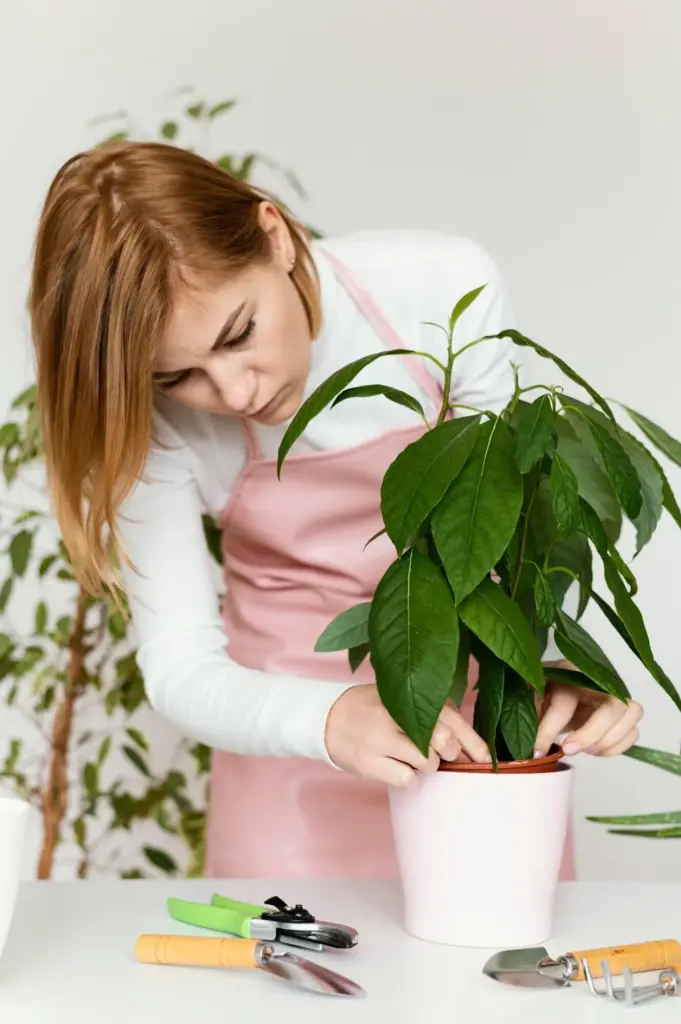
Summer intensifies southern and western exposure, inviting sunburn if leaves meet glass or metal frames. Introduce sheer curtains during peak hours, shift sensitive pots back a half meter, and water early to buffer heat stress. Increase airflow with fans set on gentle oscillation. Embrace temporary groupings by tolerance: sun-hardy front, shade-lovers behind. These simple moves moderate extremes without sacrificing the precious energy summer generously provides.

Microclimate Mapping in Your Home
Every room contains hidden gradients—cool corners, warm shelves, reflective walls, drafty doors. Spend a weekend observing light at breakfast, noon, and evening. Note temperature swings with a simple thermometer and mark hotspots with painter’s tape. Rearranging a single mirror or curtain can completely change what thrives. Treat these discoveries as friendly experiments, documenting outcomes and refining placements until each nook consistently supports real, observable growth.
Water, Soil, and Humidity Adjusted to Exposure
Light and water are dance partners: brighter light often increases thirst by boosting transpiration, while shade slows it. Choose soil that matches exposure and species—mineral-rich, fast-draining blends for sun lovers; moisture-retentive but airy mixes for gentler light. Add humidity thoughtfully, prioritizing airflow and cleanliness to avoid fungus. Let your finger, pot weight, and seasonal cues guide frequency, not arbitrary schedules that ignore your unique windows.
Placement, Styling, and Safe Distances
Beauty and biology can co-exist when you measure distance thoughtfully. Direct sunburn risk drops dramatically just a few hand spans from glass, while leaf color and internode spacing reveal whether light is adequate. Use sheers to soften glare, reflective walls to brighten dim alcoves, and tall stands to elevate trailing species. Rotate, prune, and stage with intention, turning each window into a stable set rather than a guessing game.

Diagnose and Fix: Symptoms Linked to Directional Light
{{SECTION_SUBTITLE}}
Low-Light Struggles: Stretching, Dull Leaves, Slow Roots
If stems elongate dramatically toward windows, leaves shrink, and soil stays wet for days, light is probably insufficient. Move plants closer, brighten walls, or supplement with a small lamp on a timer. Prune lightly to reset structure once growth strengthens. My own pothos recovered from spaghetti vines after a simple two-step: mirror placement and weekly rotations. Within a month, new leaves emerged broader, richer, and confidently spaced.
Too-Much-Light Issues: Scorch, Crisp Edges, Bleaching
Sunburn shows as tan patches or translucent spots that turn papery. Relocate plants a short distance back or add a sheer curtain during peak hours. Water earlier in the day to prepare tissues for heat, and avoid wet leaves in direct sun. Expect damaged areas to remain marked, but watch new growth for healthy color. Gradual acclimation prevents future shock and restores compact, vibrant form without drastic interventions.
All Rights Reserved.