A Year of Thriving Houseplants, Whatever Your Home Feels Like

Welcome! Today we explore a Seasonal Care Calendar for Indoor Plants Across Varying Home Conditions, guiding you season by season through shifting light, humidity, and temperature. Whether your space runs dry and bright or cool and dim, you will tailor watering, feeding, pruning, and protection, turning everyday routines into dependable rituals that keep leaves glossy, roots resilient, and your living spaces calm, green, and beautifully alive.

Mapping the Year: From Budding Spring to Restful Winter

Indoor plants respond to the subtle cues of changing seasons, even behind closed windows and steady thermostats. Here, we translate those signals into timely actions for apartments, dorms, lofts, and family homes. You will learn to schedule repotting, calibrate feeding, align pruning, and prepare for dormancy, while accommodating microclimates shaped by radiators, curtains, air conditioners, drafty doors, and daily routines that shift light, warmth, and airflow throughout your rooms.

01

Spring Reset and Repotting Milestones

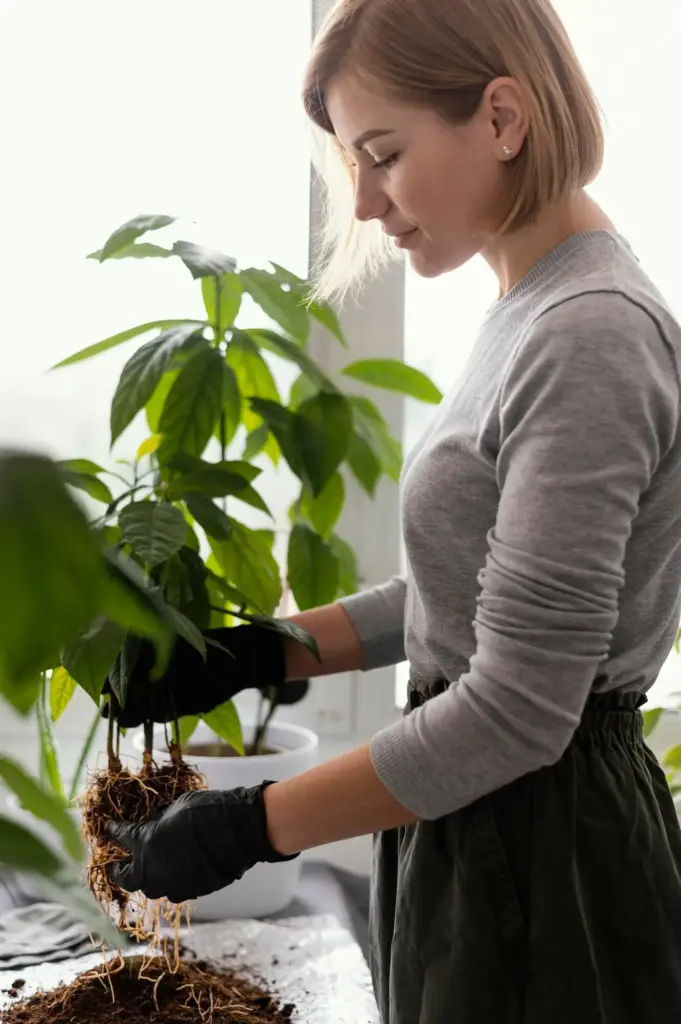
Longer days invite fresh roots. Use spring to inspect root balls, refresh potting mixes, and upsize containers only when growth demands it. Prioritize a gentle transition: trim dead roots, untangle circling ones, and moisten new substrate before settling plants. Restart a diluted feeding schedule, increase light exposure gradually, and document changes. These measured steps prevent shock, reduce wilting, and build momentum for confident, vigorous growth through late spring and early summer.

02

Summer Growth Routines Under Strong Light and Heat

Peak sun and warmth accelerate metabolism, so adjust watering frequency and watch salts from fertilizer build-up. Consider morning deep soaks, mid-day shade, and airflow that prevents scorched leaves. Rotate plants weekly to balance growth, and protect delicate foliage with sheer curtains. Propagation thrives now: take cuttings, root in water or airy mix, and label dates. Monitor for pests that love heat, and rinse leaves to remove dust so photosynthesis stays efficient.

03

Autumn Wind-Down and Pruning Choices

As days shorten, reduce feeding and lengthen intervals between waterings to match slower uptake. Remove tired growth to tidy canopies, but avoid heavy chop-backs on sensitive species. Clean tools before each cut, and sterilize shears between different plants. Begin positioning pots closer to light sources, test timers on supplemental lamps, and record room temperatures overnight. These small preparations ease the transition into winter, reducing stress, leaf drop, and nutrient imbalances before dormancy settles in.

Light Realities in Real Homes
Not all sunlight is equal, and every window tells a different story. Learn to map illumination patterns through the day, noticing how curtains, trees, nearby buildings, and weather reroute rays. Compare seasonal angles, then match plant preferences to their spots. Add reflectors or sheer fabric as needed, and consider full-spectrum LEDs to fill gaps. A few thoughtful adjustments can transform struggling specimens into steady, reliable growers that reward your attention with fresh, sustained foliage.

Water, Humidity, and Airflow in Balance

Watering is not a day of the week; it is a response to conditions. Learn to read soil moisture, leaf posture, pot weight, and seasonal temperature shifts. Combine humidity management with thoughtful airflow to discourage fungus and pests. Track room-by-room differences, and group plants with similar needs. By synchronizing these variables, you create stable microclimates that prevent root rot, crisp tips, and drooping leaves while supporting vigorous growth, healthy transpiration, and consistent, predictable care routines.

Soil, Nutrition, and the Repotting Calendar

Healthy roots start with the right blend. Tailor mixes to plant families, blending drainage, aeration, and moisture retention. Feed modestly during active months, then pause or reduce in winter. Time repotting to growth spurts, avoiding mid-dormancy disruptions. Keep an eye on salt crusts, compaction, sour smells, and roots peeking from drainage holes. When your substrate, nutrients, and timing align, plants respond with sturdy stems, fresh leaves, and the quiet confidence of well-supported growth.

Pests, Diseases, and Preventive Rituals
Prevention beats rescue. Establish a weekly inspection habit, especially during warm months when pests reproduce quickly. Clean leaves, scan undersides, and quarantine newcomers. Tackle issues early with targeted methods that protect beneficial microbes and your schedule. Keep tools sanitized, isolate stubborn cases, and use airflow wisely. With consistent vigilance, outbreaks remain rare, treatments are simpler, and your seasonal calendar stays focused on growth, bloom, and enjoyment rather than frantic, stressful triage when problems explode.

Building Your Personalized Calendar and Community

Turn insight into action with a calendar tuned to your rooms. Create monthly checklists for light adjustments, water intervals, feeding windows, and inspections. Add reminders for repotting, tool sanitation, and bulb replacements. Track observations in a simple journal, noting temperature, humidity, and leaf responses. Share your strategies in comments, ask questions, and subscribe for fresh prompts. Collaboration turns small wins into lasting success, helping your space feel greener, calmer, and consistently rewarding through every season.
Nemuramemexifonamu
Privacy Overview

This website uses cookies so that we can provide you with the best user experience possible. Cookie information is stored in your browser and performs functions such as recognising you when you return to our website and helping our team to understand which sections of the website you find most interesting and useful.