Let There Be Light: Placing Houseplants with Precision

Today we explore mapping indoor light to position plants for optimal growth, turning your home into a living atlas of brightness, shadows, and gentle reflections. You will learn how to measure light accurately, visualize patterns across rooms and seasons, and confidently match each plant to a spot where it can flourish, bloom, and breathe easily. Bring your phone, curiosity, and a few sticky notes; together we will chart a path to greener, stronger, happier leaves.

How Light Moves Through Rooms

Indoor light behaves like water poured into an uneven bowl: it pools near windows, ripples across shiny floors, and disappears behind tall furniture. Understanding this motion is the foundation of reliable placement. We will examine compass orientation, window size, glass type, wall color, and common obstructions, then track daily and seasonal swings. With a clear picture of how beams travel, you can predict which corners nourish foliage and which shelves quietly starve it.

Measuring Brightness the Right Way

Guesswork leads to leggy stems and crispy tips. Precise readings reveal truth. We will demystify lux, foot-candles, and PPFD, explain when each is useful, and show how smartphone sensors, while imperfect, can be calibrated well enough for reliable mapping. With a simple protocol—consistent height, time windows, and repeat measurements—you will build a data picture that transforms uncertain placement into evidence-based, repeatable decisions backed by numbers, not hunches.

Lux and Foot-Candles Explained

Lux and foot-candles describe visible light levels as perceived by human vision, not necessarily the wavelengths plants prefer most. Still, they are invaluable for household mapping because sensors and apps read them easily. Learn workable ranges for low, medium, bright-indirect, and direct conditions, and why consistency matters more than perfection. With careful sampling, these units guide practical placement that keeps foliage full, stems sturdy, and photosynthesis comfortably sustained through ordinary indoor days.

PPFD for Edibles and Bloomers

Photosynthetic photon flux density (PPFD) counts the photons plants actually use, making it ideal for herbs, fruiting peppers, or light-hungry flowering specimens. While specialized meters cost more, even relative PPFD estimates from reputable tools can inform placement and supplemental strategies. By correlating PPFD zones with growth responses, you can move culinary basil into peak productivity, encourage compact internodes, and time flowering pushes without gambling on inconsistent window conditions.

Calibrating a Phone Light Meter

Smartphone light meters vary wildly, yet disciplined calibration narrows the error. Compare your app against a known reference meter or standardized test card under stable lighting. Keep the phone sensor clean, measure at leaf height, note distance from glass, and record time and weather. Averaging several readings reduces noise. Your goal is repeatability, enabling meaningful week-to-week comparisons that highlight real changes rather than sensor quirks or fleeting environmental anomalies.

Room Grid and Sampling Times

Tape a simple grid on your floor plan or sketch one on paper. Mark points every half meter, choosing a consistent leaf-level height for readings. Sample morning, midday, and late afternoon across at least two clear days. Label furniture that might move shadows. This approach captures daily dynamics while keeping workload reasonable. The result is a balanced dataset that reflects real living conditions and supports confident, evidence-based placement decisions.

From Readings to Color Heatmaps

Turn numbers into insight by coloring cells according to brightness ranges. Choose intuitive colors—cool blues for low light, warm oranges for bright-indirect, and reds for direct hotspots. Tools like spreadsheets or free mapping apps make this fast. Annotate window types, reflective surfaces, and obstructions. When your eyes immediately see patterns, you will spot surprising opportunities, such as a bright shelf behind sheer curtains perfect for calatheas craving filtered intensity.

Matching Plants to the Right Spots

Success comes from honest pairing: what a plant genuinely needs, matched to what your rooms truly provide. We will classify light levels, share tolerant species for challenging corners, and suggest candidates for abundant brightness. Expect practical examples, gentle myth-busting, and realistic outcomes that avoid disappointment. When your placements reflect the map, leaves thicken, internodes tighten, colors deepen, and your routine simplifies because plants finally cooperate with their environment instead of fighting it.

Low-Light Survivors and Realistic Expectations

Snake plants, ZZ plants, and pothos tolerate lower light, but tolerance is not thriving. In very dim zones, expect slower growth, reduced variegation, and longer intervals between new leaves. Boost success by ensuring reflective surroundings, rotating plants toward scarce windows, and avoiding overwatering in cooler corners. If you crave faster progress, consider nearby brighter-indirect zones identified on your map or use subtle reflective aids to nudge levels upward without harsh glare.

Bright-Indirect Favorites and Leaf Health

Monstera, philodendron, hoya, and many ferns revel in bright-indirect conditions where light is abundant yet diffused. Watch for even internodes, firm petioles, and steady new growth as signs you nailed placement. Guard against sudden midday spikes that crisp tips, especially near pale walls. Sheer curtains, distance tweaks, and gentle rotations keep the balance perfect. These adjustments, guided by your mapping, maintain lushness while minimizing stress and unnecessary watering interventions.

Sun-Hungry Herbs, Succulents, and Flowering Divas

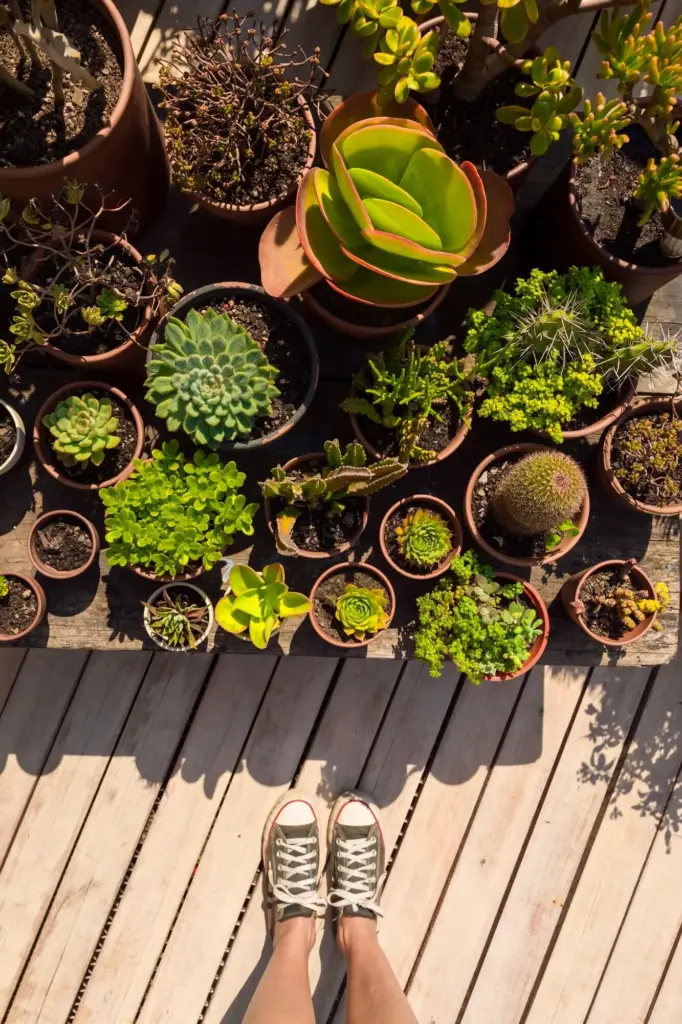
Basil, rosemary, compact peppers, geraniums, and most succulents demand high energy. Place them in mapped hotspots with morning or full-day sun, then test leaf temperature and watch for bleaching. If windows underdeliver, supplement responsibly with targeted grow lights calibrated to your heatmap zones. The reward is tight growth, concentrated aromas, sturdier stems, and reliable blooms. Document results to refine positions, ensuring every culinary harvest and floral display remains satisfyingly repeatable.

Fine-Tuning with Reflectors and Sheers

When conditions are close but imperfect, gentle tools finish the job. Sheer curtains diffuse harsh rays into plant-friendly brilliance. White foam boards or strategically placed mirrors bounce light deeper without introducing heat. Adjustable blinds shape beams to spare delicate foliage during fierce hours. If supplementation is necessary, choose efficient fixtures and position them according to your light map. Small, thoughtful tweaks can transform borderline spots into dependable, productive homes for cherished plants.

Maintenance: Recheck, Rotate, Record

A light map is alive because your home is alive. Furniture shifts, seasons turn, and weather surprises. Regular check-ins protect progress. Update readings quarterly, rotate foliage for symmetry, and adjust watering to reflect energy changes. Keep notes on growth responses, pruning dates, and any scorch or stretch. Invite conversation—share wins and puzzles with fellow readers, compare maps, and refine strategies together. Routine attention keeps placements effective and your collection resilient.

A Simple Logging System That Actually Sticks

Use a single page per room: include date, time, weather, readings, and quick plant observations. Snap photos from the same angles to document posture and color. Short notes beat elaborate plans you will abandon. Over months, patterns emerge clearly, making micro-adjustments easy. Share templates with friends or in comments to trade tricks that reduce effort while improving results across apartments, studios, and family homes with wonderfully different light personalities.

Diagnosing Light Problems from Leaf Signals

Leggy stems, wide internodes, and pale new leaves often signal insufficient light, while crisp margins, bleached patches, and drooping midday leaves hint at excess. Before changing fertilizer or soil, check your map and recent readings. Move plants within their zone or adjust diffusion tools, then observe for two weeks. Gentle, data-informed tweaks typically resolve issues faster, protecting roots and preserving momentum without the confusion of unnecessary, overlapping interventions.

Seasonal Audits and Micro-Moves That Matter

Quarterly audits catch slow drifts as sun angles change. Shift a pot a hand’s width, raise a shelf by a few centimeters, or nudge a reflector to recapture lost brightness. These tiny moves often deliver big growth dividends. Compare notes year to year to anticipate transitions before leaves react. Invite readers to submit before-and-after photos; shared insights and small experiments deepen confidence, making every placement more resilient through shifting seasons and routines.

Nemuramemexifonamu
Privacy Overview

This website uses cookies so that we can provide you with the best user experience possible. Cookie information is stored in your browser and performs functions such as recognising you when you return to our website and helping our team to understand which sections of the website you find most interesting and useful.